Choosing the right approach to fixing lag on pc games starts with clear context, practical filters, and realistic expectations.
Introduction to Lag on PC Games
Lag on PC games can be frustrating, especially when you're in the middle of an intense gaming session. It's a common issue that can occur due to various reasons, including outdated hardware, poor game optimization, and incorrect settings. If you're experiencing lag on your PC games, you're not alone. Many gamers face this issue, and it's not always easy to fix. However, with the right approach, you can improve your gaming performance and reduce lag.
Understanding the Causes of Lag
To fix lag on PC games, you need to understand the causes of the issue. Lag can occur due to hardware limitations, software issues, or a combination of both. Some common causes of lag include:
- Outdated graphics cards or processors
- Insufficient RAM or disk space
- Poorly optimized games or graphics settings
- High-resolution textures or graphics
- Background programs or applications consuming system resources
Optimizing Your PC for Gaming
Optimizing your PC for gaming can help reduce lag and improve your overall gaming experience. Here are some tips to get you started:
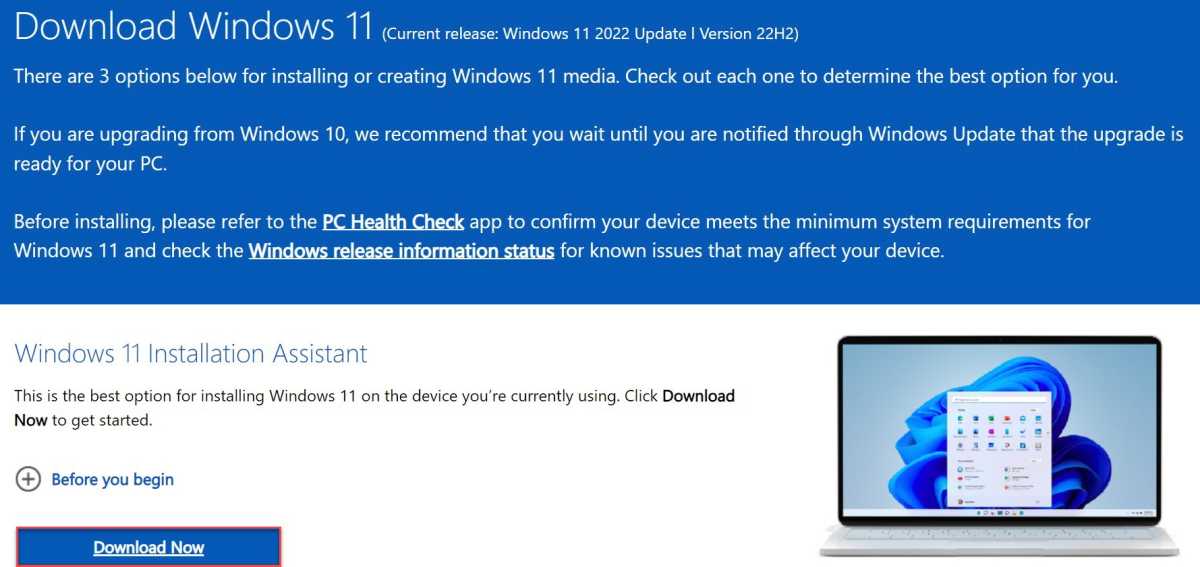
- Update your graphics drivers and operating system
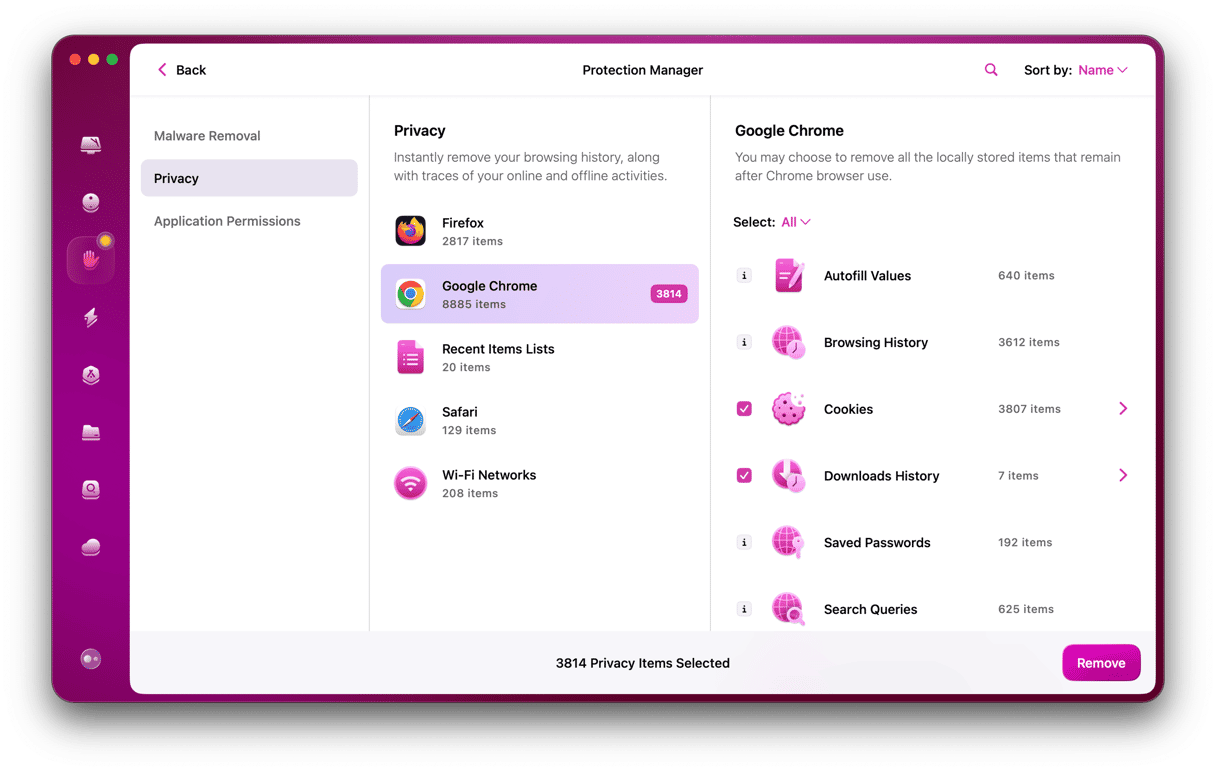
- Close unnecessary background programs or applications
- Adjust your graphics settings to a lower resolution or detail level
- Consider upgrading your hardware, such as your graphics card or RAM
Choosing the Right Hardware
Choosing the right hardware can make a significant difference in your gaming performance. Here are some options to consider:
Graphics Cards Some popular

graphics cards for gaming include:
- NVIDIA GeForce RTX 3080
- AMD Radeon RX 6800 XT
- NVIDIA GeForce GTX 1660 Super
- AMD Radeon RX 5600 XT
- NVIDIA GeForce RTX 3070
Processors Some popular
processors for gaming include:
- AMD Ryzen 9 5900X
- Intel Core i9-11900K
- AMD Ryzen 7 5800X
- Intel Core i7-11700K
- AMD Ryzen 5 5600X
Game-Specific Optimization Some games require specific optimization techniques to reduce lag.
For example:
- Reducing texture quality or turning off anti-aliasing
- Adjusting the frame rate cap or vsync settings
- Disabling unnecessary graphics features, such as motion blur or depth of field
- Using game-specific optimization tools or software
Using Third-Party Tools
There are several third-party tools available that can help optimize your PC for gaming and reduce lag. Some popular options include:
- Razer Cortex
- MSI Afterburner
- EVGA Precision X1
- AMD Radeon Software
- NVIDIA GeForce Experience
Monitoring Your System Resources
Monitoring your system resources can help you identify potential bottlenecks and optimize your PC for gaming. Here are some tips:
- Use the Task Manager to monitor CPU, memory, and disk usage
- Use the Resource Monitor to monitor system resources and identify bottlenecks
- Use the Performance Monitor to monitor system performance and identify trends
Common Mistakes to Avoid When trying to fix lag on PC games, there are some common mistakes to avoid. These include:
- Overclocking your hardware without proper cooling
- Using outdated or incompatible drivers
- Not monitoring system resources or performance
- Not adjusting graphics settings or optimization options
Conclusion Fixing lag on

PC games requires a combination of hardware optimization, software tweaks, and game-specific settings. By understanding the causes of lag, optimizing your PC, and using the right tools and techniques, you can improve your gaming performance and reduce lag. Remember to monitor your system resources, avoid common mistakes, and stay up-to-date with the latest gaming technology and trends.
- FAQs:
- What is the most common cause of lag on PC games?
- The most common cause of lag on PC games is outdated or insufficient hardware, such as graphics cards or processors.
- How can I optimize my PC for gaming?
- You can optimize your PC for gaming by updating your graphics drivers, closing unnecessary background programs, and adjusting your graphics settings.
- What is the best graphics card for gaming?
- The best graphics card for gaming depends on your budget and gaming requirements. Some popular options include the NVIDIA GeForce RTX 3080 and the AMD Radeon RX 6800 XT.
- Can I use third-party tools to optimize my PC for gaming?
- Yes, there are several third-party tools available that can help optimize your PC for gaming, such as Razer Cortex and MSI Afterburner.
- How can I monitor my system resources to identify bottlenecks?
- You can use the Task Manager, Resource Monitor, or Performance Monitor to monitor your system resources and identify bottlenecks.
- What is the importance of updating my graphics drivers?
- Updating your graphics drivers can help improve your gaming performance, fix bugs, and add new features.
- Can I overclock my hardware to improve gaming performance?
- Yes, you can overclock your hardware to improve gaming performance, but be careful not to overheat your system or cause damage to your components.