Choosing the right approach to downloading files with curl starts with clear context, practical filters, and realistic expectations.
Introduction to Curl Curl is a popular command-line tool used for transferring data to and from a web server using various protocols, including HTTP, HTTPS, SCP,
SFTP, and more. One of its primary uses is downloading files from the internet. With curl, you can download files quickly and efficiently, making it a favorite among developers and power users.
Benefits of Using Curl for Downloads
Using curl for downloading files offers several benefits. For one, it provides a high degree of control over the download process, allowing you to specify options such as the output file name, the location of the file, and even the user agent. Additionally, curl is a non-interactive tool, making it ideal for use in scripts and automated tasks.
Common Use Cases for Curl Downloads
Curl is commonly used for downloading files in a variety of scenarios, including:
- Downloading software packages and updates
- Transferring files between servers
- Retrieving data from APIs
- Downloading files from cloud storage services
Features of Curl for Downloads Curl offers several
features that make it an ideal tool for downloading files. Some of these features include:
- Resume downloads: Curl allows you to resume interrupted downloads, saving you time and bandwidth.
- Multiple protocols: Curl supports a wide range of protocols, including HTTP, HTTPS, FTP, and more.
- Customizable headers: You can customize the headers sent with your request, allowing you to specify things like the user agent and referrals.
- Output control: Curl gives you control over the output of the download, allowing you to specify the file name and location.
Comparison of Curl with Other Download Tools
While curl is a powerful tool for downloading files, it's not the only option available. Other tools, such as wget and aria2, also offer robust download capabilities. Here's a comparison of curl with some of these tools:

- wget: Wget is a command-line tool that is similar to curl, but it has a more limited set of features. However, it is often easier to use and provides a more straightforward syntax.
- aria2: Aria2 is a download tool that offers advanced features such as multi-protocol support and metalink support. However, it can be more complex to use than curl.
- curl vs wget vs aria2: Ultimately, the choice between curl, wget, and aria2 will depend on your specific needs and preferences.
Practical Examples of Using Curl for Downloads Here are a few examples of how you can use curl to download files:
- Simple download:
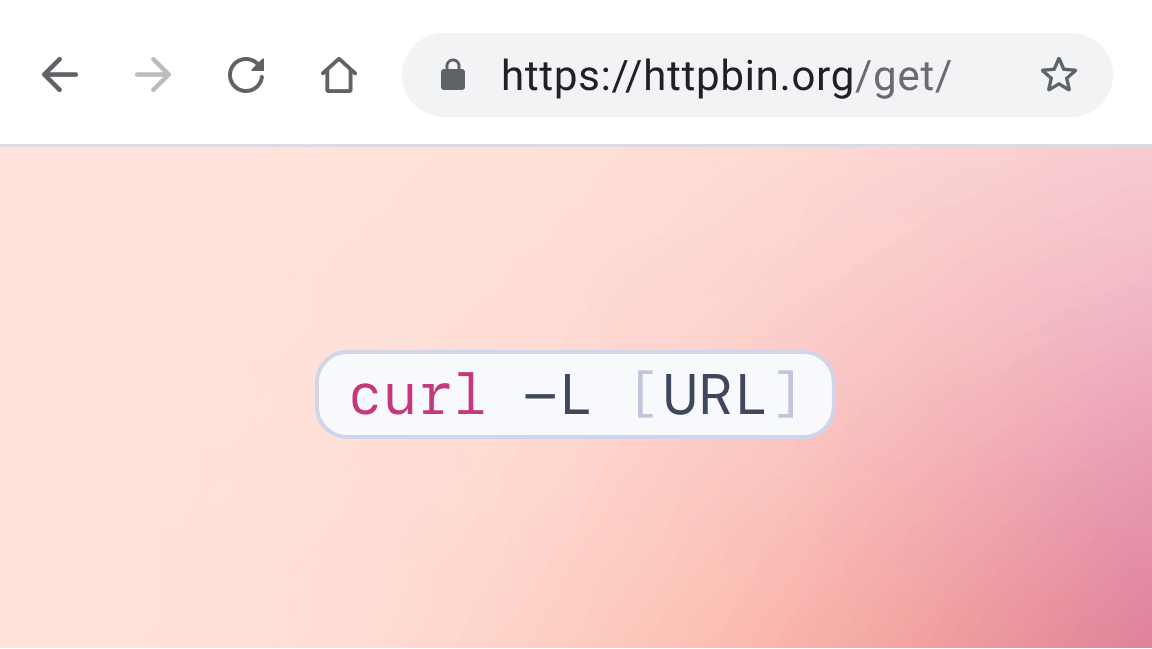
curl -O http://example.com/file.txt` - Custom output file name:
curl -o output.txt http://example.com/file.txt` - Resume interrupted download:
curl -C - http://example.com/file.txt`
Workflow Tips for Using Curl To get the
most out of curl, here are a few workflow tips to keep in mind:
- Use the
-voption: The-voption enables verbose mode, which can help you debug issues with your downloads. - Use the
-ooption: The-ooption allows you to specify the output file name, giving you more control over the download process. - Use the
-Coption: The-Coption allows you to resume interrupted downloads, saving you time and bandwidth.
Alternatives to Curl for Downloads
While curl is a powerful tool, it's not the only option available for downloading files. Here are a few alternatives:
- wget: A command-line tool that is similar to curl, but with a more limited set of features.
- aria2: A download tool that offers advanced features such as multi-protocol support and metalink support.
- Axel: A command-line tool that is designed for downloading files from the internet.
- Uget: A download manager that offers a graphical interface and support for multiple protocols.
- FDM: A download manager that offers a graphical interface and support for multiple protocols.
Limitations of Curl for Downloads
While curl is a powerful tool, it's not without its limitations. Here are a few things to keep in mind:
- Steep learning curve: Curl has a lot of options and features, which can make it difficult to learn and use.
- Command-line interface: Curl is a command-line tool, which can make it less accessible to users who are not comfortable with the command line.
- Limited support for certain protocols: Curl may not support certain protocols or features, such as metalink or BitTorrent.
Conclusion
Curl is a powerful tool for downloading files, offering a high degree of control and customization.
While it may have a steep learning curve and limited support for certain protocols, it remains a popular choice among developers and power users. By following the tips and examples outlined in this article, you can get the most out of curl and improve your workflow.
- FAQ:
- What is curl and what is it used for?
- Curl is a command-line tool used for transferring data to and from a web server using various protocols.
- How do I download a file using curl?
- You can download a file using curl by using the command
curl -O http://example.com/file.txt`. - What is the difference between curl and wget?
- Curl and wget are both command-line tools used for downloading files, but they have different features and syntax.
- Can I resume an interrupted download using curl?
- Yes, you can resume an interrupted download using curl by using the
-Coption. - What are some alternatives to curl for downloading files?
- Some alternatives to curl include wget, aria2, axel, uget, and FDM.
- How do I customize the output file name when using curl?
- You can customize the output file name by using the
-ooption, such ascurl -o output.txt http://example.com/file.txt`. - Is curl available for Windows?
- Yes, curl is available for Windows, and can be downloaded from the official curl website.
Curl suitable for beginners? That depends on the workflow, but a clear step-by-step approach usually makes it easier to start.
How do you compare options around Downloading
Files with Curl? Compare features, trust signals, limitations, pricing, and ease of implementation.
What mistakes should you avoid?
Avoid generic choices, weak validation, and decisions based only on marketing claims.
What is the next best step?
Shortlist the most relevant options, validate them quickly, and refine from real-world results.